PART 1
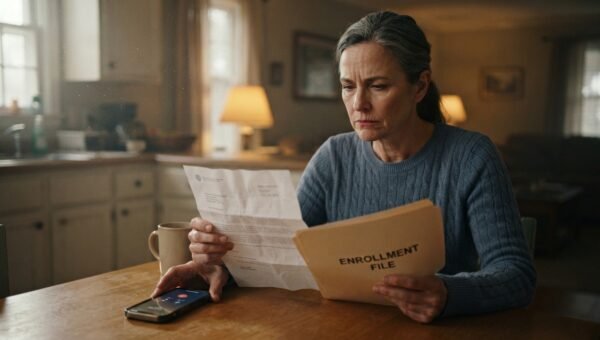
The phone call came while I was sitting at my kitchen table, staring at a small ceramic dish filled with tiny pink socks I had washed and folded three times just to keep my hands busy. When my daughter, Chloe, went into labor two weeks early, my chest had tightened with a mix of fierce joy and that familiar, dull ache of wanting to protect her from every hard thing in the world.
But when I texted her husband, Mark, to ask if I should head to the maternity ward, the reply felt cold and sterile. He told me Chloe was resting, that they wanted quiet bonding time, and that visitors were not permitted until they returned home. I tried to swallow the sting. I told myself modern parents do things differently, that postpartum exhaustion is real, and that I needed to respect their boundaries. I am fifty-eight years old, and I have spent my whole life walking on eggshells around people who pull away, so I forced myself to put the car keys back in the bowl and sit down.
Two days passed in a heavy, suffocating silence. I kept my phone clutched in my hand, jumping at every notification, hoping for a photograph of a tiny wrinkled face or even a brief text saying everyone was healthy. None came. The quiet felt unnatural, heavy with a dread I could not name.
Then, on the third afternoon, my landline rang. It was an unfamiliar number, blocked on the caller ID. I answered, expecting a telemarketer, but instead heard a breathless, hurried whisper belonging to a woman who identified herself as a floor nurse named Brenda. She told me she was calling from a secure line because she recognized my last name from the emergency contact paperwork Chloe had filled out months ago. Brenda’s voice shook as she explained that Chloe had managed to scribble my name and phone number on the back of a plastic meal tray receipt, sliding it across the tray table while Mark was briefly down in the cafeteria. She had begged Brenda to call me, whispering that her husband had taken her phone, that he wouldn’t let anyone in, and that something was terribly wrong.
The hospital was only fifteen minutes away down the interstate, but the drive felt like crawling through mud.
My hands shook so violently on the steering wheel that I nearly overshot the turnoff for the medical center. When I finally pulled into the parking garage, I didn’t go straight inside. I drove in tight, dizzying circles through the concrete levels, my heart hammering against my ribs like a trapped bird, trying to summon the courage to face whatever was waiting behind those sterile hospital doors. I parked in a corner spot, cut the engine, and stared at my reflection in the rearview mirror, trying to steady my breathing. When I stepped out into the humid afternoon air, my legs felt hollow.
I found Brenda waiting near the service elevators, wearing her navy scrubs and looking nervously over her shoulder every few seconds. She didn’t waste time with pleasantries. She grabbed my arm with a warm, urgent grip, pulled me into a quiet alcove near the linen closet, and handed me a heavy, sealed plastic evidence pouch.
Inside was a pale blue hospital bassinet tag with a surname I had never seen before, and a small, notched metal key stamped with the number four hundred twelve. I stared at the items, my mind completely blank, unable to connect the pieces. I understood nothing until I looked closer at the small white time sticker affixed to the back of the tag. It was stamped with a date twenty-nine years in the past, bearing my own daughter’s exact birth time, weight, and hospital identification number.
PART 2
Brenda saw the color drain from my face and kept her voice down to a sharp, clinical hiss. She told me that when Mark had stepped out for lunch, she had gone in to check Chloe’s IV vitals and found her sobbing uncontrollably, clutching an old archival folder that had somehow been misplaced in the room’s utility cabinet during a recent floor renovation. Brenda didn’t know what was inside the folder, but she said Chloe had frantically pressed the key and the old bassinet tag into her palm, pleading with her to find me before Mark came back from the cafeteria. She told me Mark had been acting erratic from the moment they checked in, refusing to let family members visit, screening all calls, and arguing loudly with the nursing staff about discharge papers.
I clutched the heavy plastic pouch to my chest, the cold metal of the key pressing through the thin fabric of my blouse. My mind raced back twenty-nine years to the winter Chloe was born, to the confusing, chaotic week at St. Jude’s Memorial when the nursery had been placed on lockdown due to a severe respiratory outbreak. I remembered the exhaustion, the blurry days of painkillers and sleepless nights, and the strange nurse who had swapped our room assignments twice in forty-eight hours. I had always trusted the hospital staff back then. You don’t think to question the people in white coats when you are twenty-nine and holding your firstborn child.
Brenda checked her watch, whispered that Mark was heading back up the east stairwell right now, and practically pushed me toward the service exit. I didn’t go home. I drove straight across town to the old downtown branch of the municipal bank where my mother’s faded safety-deposit box had sat untouched for a decade, though I had no idea why that specific number four hundred twelve key would fit anything there unless Chloe had hidden something of her own inside. The bank teller looked at me strangely when I handed her the key and my identification, but protocol held. She escorted me down into the chilly, vault-scented basement room, inserted the master key alongside mine, and left me alone in front of the open metal slot.
PART 3
Inside the box lay a single, thick manila envelope tied with yellow cotton string, alongside a small, velvet-lined jewelry box that belonged to my late grandmother. My hands trembled as I untied the string and pulled out the contents. There were no birth certificates with my name on them. Instead, there was a certified legal affidavit dated from the winter of my daughter’s birth, detailing an internal hospital investigation into a severe administrative error regarding misplaced infant records. Clipped to the affidavit was a DNA test report from a private laboratory dated just three weeks ago, bearing Chloe’s name and a matching profile analysis. The genetic probability of maternity between Chloe and myself was zero percent.
The room seemed to tilt on its axis. I sat down hard on the metal chair by the vault table, gasping for air as the full, devastating weight of the truth settled over my bones. The child I had raised, loved, worried over, and wept for through every fever and heartbreak was not biologically mine. But that realization was immediately eclipsed by a cold, sickening horror as I read the remaining papers in the envelope. There were bank statements, property deeds, and adoption registry printouts showing that Mark had discovered this secret months ago while helping Chloe scan old family documents. Instead of supporting her through the trauma of learning her entire life was built on a decades-old hospital mix-up, Mark had used the discovery as leverage. He had isolated her from me, manipulated her vulnerability during her pregnancy, and quietly coerced her into signing over her inheritance rights to property left to her by her late grandfather.
The hospital bassinet tag wasn’t just a relic of the past; it was the key to tracking down the family whose real daughter had been swapped into my arms all those years ago. And Mark knew it. He had intercepted the original archival records to keep the truth buried, sealing Chloe in a prison of isolation so he could control her assets without interference. The hospital room wasn’t quiet because of bonding time. It was quiet because Mark was keeping a prisoner, terrified that the nurse’s upcoming shift change or a stray phone call would unravel the entire fraudulent empire he was building on my daughter’s stolen life.
ENDING
I did not go back to the hospital alone. I sat in my car outside the bank for an hour, weeping tears of pure, molten rage until the grief burned itself out and left behind a cold, hard resolve. I called the local police precinct, skipped the desk sergeant, and demanded to speak directly to the detective handling elder and domestic fraud, giving him the case number from the affidavit and the exact room number at the maternity ward. Then I called my brother, a retired state trooper who still had friends in municipal enforcement, and told him to meet me at the hospital entrance with copies of the bank documents.
When we walked into Chloe’s room twenty minutes later, Mark was sitting in the vinyl armchair scrolling through his phone while Chloe lay propped up against the pillows, her face pale, hollow-eyed, and bruised with exhaustion. Mark jumped to his feet, his face flushing a furious crimson, opening his mouth to demand we leave. Before he could speak, two uniform officers stepped past us into the room, flanked by Brenda, who nodded quietly from the doorway. My brother stood by the door with his arms crossed, blocking the exit.
I didn’t yell at Mark. I didn’t give him the satisfaction of a scene. I walked straight past him to the hospital bed, climbed onto the edge of the mattress, and took Chloe’s cold, trembling hands in mine. As she looked up at me with tears streaming down her hollow cheeks, I gently wiped her face and whispered that I knew everything, that she was safe now, and that we were going to find her real family together. Mark started shouting about trespassing and privacy rights as the cuffs clicked onto his wrists, but his voice faded into background noise as the reality of what we had survived settled over the room. My daughter looked down at the tiny baby sleeping peacefully in the bassinet beside her, and for the first time in three days, a genuine, fragile smile touched her lips. Whatever DNA tests or legal battles awaited us in the coming months didn’t matter. We had the key now, the truth was out in the open, and nobody was ever going to lock us out again.