At the end of dinner, Dad asked me to carry the folding chairs back to the garage. By 9:15 the next morning, his website was suspended, Logan’s office keycard wouldn’t open the door, and my mother was emailing me from public Wi-Fi. I was at my desk with the spreadsheet open. I knew what was coming. I didn’t know if I could go through with it.
The night before, Dad had asked me to set the chairs aside after I’d spent most of the evening watching Logan get praised for “keeping the business moving.” I was at the children’s table, between two cousins who were both old enough to drive.
There wasn’t anything childish about the seating chart. That was the point. Still, I carried the chairs out. I’d been doing the useful thing for so long that my body moved before I had a thought.
I’m Evan. I’m a software developer, and for twelve years I was the person my family called when something broke, when a bill couldn’t wait, or when Dad’s business was short on cash. The business made parts for local manufacturers. It had a real office and real customers, but the back end was held together with systems I built at night and server bills I paid on my own card. Nobody called it my job. They called it helping out.
At 9:02 the next morning, Dad’s text came in: “Evan, the website is suspended! We’re losing thousands in orders. Fix it now!” I read it twice. I’d turned off the client-facing portal and paused the site’s order functions after giving the business notice through the account contacts the day before.
Nothing had been erased. I’d kept the client records safe and backed up. But new orders couldn’t come through, and Dad had no administrator login that could undo it.
I didn’t answer. At 9:15 Logan called once, twice, then several times in a row. His message said, “THE OFFICE KEYCARDS DON’T WORK! Someone is changing the locks. We have a client meeting in one hour!” The keycards were part of the access system I’d installed. I’d changed the administrator credentials, and I’d set the door to deny entry until I could turn over the account properly. I knew the client meeting mattered. That was why I’d sent the warning before the dinner.
By 10:00 Mom’s email arrived. She’d used public Wi-Fi, which I knew because the login notice came through with it. She wrote that Logan had put the $11,400 restaurant bill on his credit card, the business was frozen, and they couldn’t access their files.
Then she called the seating arrangement simple and told me I owed my family respect. “Turn everything back on immediately,” she wrote. I read the whole thing once, then opened the spreadsheet.
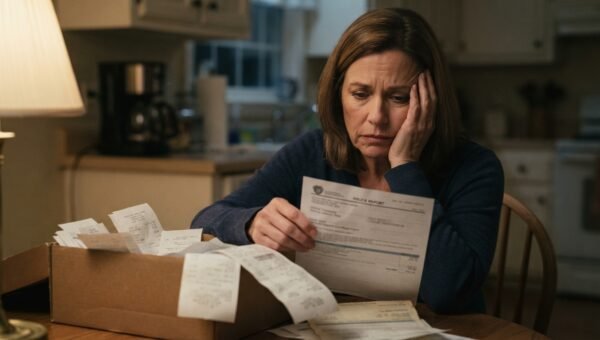
I made it the night before, after I got home. I started with the web work, then added server costs, domain renewals, office access controls, the rent help, car repairs, and the loans I’d covered when Dad said payroll was tight. I had separate columns for money I expected back and money I’d stopped expecting. I included the hours too. That was the part I kept trying to leave out.
The spreadsheet had twelve years in it. I’d built the first business website on an old desktop that took several minutes to start up. I remember the fan rattling when I worked past midnight. Back then, Dad said he needed a simple site so customers could find the shop.
I made one, then built a quote form, then an order portal. Every time he asked for “one little fix,” I said yes because I was his son and I thought it would turn into something fair later.
It never did. When the server bill came due, Dad said the business account was overdrawn and asked me to cover it until Friday. Friday became the next month. When Logan’s car needed a repair, Mom asked if I could put it on my card because Logan had to get to work. I paid the shop directly. When Dad fell behind on rent for the business office, I sent money from my personal account. There was always a reason it was temporary.
I know I helped make it easy. I didn’t send invoices. I didn’t make them sign anything. Sometimes I didn’t even ask when they’d pay me back. I’d just hear Dad say, “We’re all one family,” and let that stand in for a plan. I kept thinking that if I stayed useful, eventually they’d see me as more than the person they called when something stopped working.
After dinner, I’d been sitting in my car with the folding-chair smell still on my hands. Logan had taken the seat beside Dad and told everyone how he was handling a new client relationship. I’d built the portal that brought the client in. When an aunt asked what I did, Logan said, “He’s good with computers.” Dad laughed. I laughed too, which bothered me more than the joke.
The spreadsheet was my first clear record of what “helping” had cost. It wasn’t one dramatic debt. It was hundreds of separate charges and thousands of hours, spread across years until I’d stopped seeing them as a choice. The total for documented expenses and unpaid work was $386,412. I marked loans separately from gifts and didn’t count the restaurant bill. That was Logan’s charge, not mine.
I didn’t add a line saying they owed me for how they treated me. I couldn’t put that in a cell. I could only list what I could prove. Each server invoice had a date. Each car repair had a receipt. The development hours came from old time logs, emails, and the work calendar I’d kept for my own clients. When I finished, I attached the spreadsheet to Mom’s email and wrote that all future access and work had to go through my company.
I hit send. Then I put my phone on silent. For a few minutes, the apartment was quiet enough for me to hear the old computer fan winding down. I had one thought, which was that I’d just made the choice I’d been avoiding for years. Then someone knocked hard on my door.
Dad and Logan had driven over. I opened it but kept one hand on the door. Dad stepped forward like he expected me to move aside. Logan looked past me toward the desk, where my laptop was still open. Neither of them had brought the spreadsheet printed out. They had read enough to know what it was.
“Give us the codes,” Dad said. “We can sort this out later.”
Logan said the client was already waiting and his meeting was ruined. He spoke fast, then faster, blaming the outage, the keycards, the timing. I could hear how scared he was. The meeting had been a big chance for the business. But he was still asking me to fix the emergency before talking about why I’d stopped fixing things for free.
I told them the systems, domain registrations, and access controls belonged to my consulting company, not Dad’s business. I’d paid for them and registered them under my LLC. I’d also told Dad more than once that the software and infrastructure were mine until we signed a proper agreement. I’d saved those emails too. He’d answered that he trusted me and we could handle paperwork later.
Dad shook his head. He said the business had paid for everything. I opened the spreadsheet and showed him the hosting charges on my card, the invoices sent to my company, and the messages where he asked me to keep the account active until he could repay me. I didn’t raise my voice. I didn’t have to. The dates were right there.
I also told him I wasn’t deleting customer data or taking anyone’s private records. I’d made a safe export available to the business, and their clients could still get their existing files through a read-only link. What I wouldn’t hand over was my code, administrator credentials, domain control, or access system without a signed agreement and payment plan. I’d spoken with a lawyer the week before, after I decided I was done letting promises count as paperwork.
Mom called while they were standing in my doorway. Dad put the phone on speaker. She said I was punishing everyone over a chair and a family dinner. I looked at the open spreadsheet. The dinner wasn’t on it. Twelve years were.
Dad kept saying I was going to ruin the company. I told him I’d sent notice and that he could hire someone else to take over. Logan said nobody could rebuild the portal by the afternoon. I said that was true. A third-party developer would need time, and the first estimate he’d gotten was more than $30,000 just to replace the order system. The business had missed the client meeting. The client had already told Dad they were moving ahead with another supplier.
That was when Dad stopped asking for the codes and asked if I’d at least turn the website back on. I said no. Not without a signed contract and a settlement for the work and costs in the spreadsheet. My voice sounded ordinary. That surprised me. I’d expected to shake or yell, but I was just tired of hearing the same request dressed up as a family emergency.
They left without the codes. Later, Dad emailed that he’d found a developer willing to review the systems, but the developer needed proof of ownership and a clean handoff. I sent over the LLC documents, the registration records, and the backup and export instructions. I didn’t send my source code. The new developer’s estimate was tens of thousands, and the business still had to sort out which unpaid expenses it could manage.
The client did not come back. Dad eventually hired an outside team to rebuild what they could. Logan kept the company card, but I stopped paying his car bills and I stopped covering the server costs. Mom didn’t ask me to change the seating chart story. She asked when I was going to stop being angry. I told her I wasn’t angry every minute. I just wasn’t available to keep doing the work.
We never signed a new contract. There was no reunion where everyone admitted the full truth. Dad and I exchanged a few emails about the files and the final invoices. Logan stopped calling. Mom still sends birthday messages, usually with a heart at the end, and I answer some of them. That’s all I can manage right now.
My own consulting work had been waiting while I kept the family business running. I called two old clients back and took on a project I’d turned down the year before. The first payment cleared into my company account, not Dad’s, not Logan’s, not a temporary loan to get them through the month. I looked at the number longer than I needed to.
A few weeks later, I opened the old family administrative contacts folder. The names were still there, along with phone numbers I knew by heart. I’d kept it because I thought I might need it to fix something again. I selected the folder and clicked “Empty Trash.” Then I locked my office door and looked out at the clear morning skyline, with my phone left on silent.