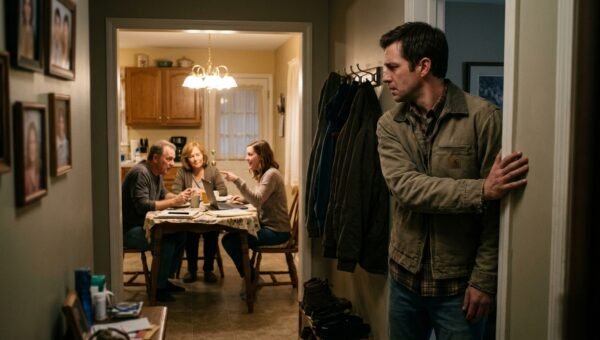
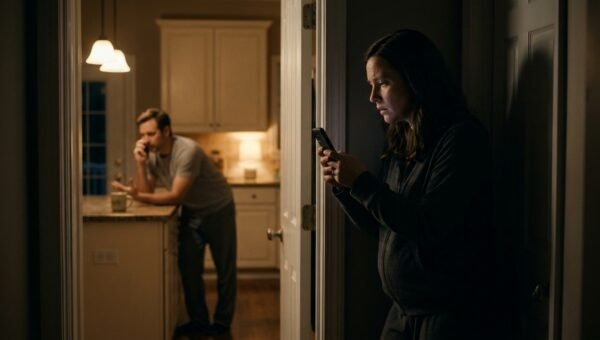
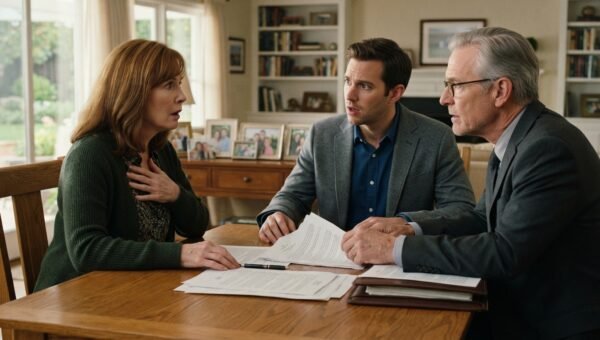
At 6:12 p.m., my mother’s name lit up my phone as I left my downtown Seattle office. The morning call had been full of laughter. This one started with, “Are you sitting down?” I knew something had gone wrong, but I didn’t yet know how far it had gone.
The number on my Amex alert was $99,000. I was standing by the elevator when I first saw it, holding a paper cup of coffee I’d already forgotten to drink.
The charge was for a Hawaii trip booked for my younger sister, Kelsey. First-class flights, a luxury resort, private charters, and more. My parents had put the whole thing on my card.
Not my personal card, exactly. I managed a corporate American Express Gold charge account through my firm. It had a high approved spending limit for executive travel and business costs, but it wasn’t money sitting in my checking account. I wasn’t personally liable for charges I didn’t make or approve. My parents either didn’t understand that or didn’t care.
I wish I could say the alert made me furious right away. Mostly, I stared at the total and thought, That can’t be right. Then my phone rang. Mom.
“Every dollar’s gone,” she said, laughing. “You thought you were clever hiding it? Think again. That’s what you get, worthless girl.”
I didn’t answer for a few seconds. I could hear the little breathy laugh she used when she wanted me to know she was enjoying herself. Then I said, “Don’t laugh too soon.”
I hung up and went into the elevator. I didn’t yell or call Dad to ask what he thought he was doing. I opened the Amex security number saved in my contacts and called from the lobby. That’s how the day started moving.
Elaine, my mother, had spent most of my adult life acting like my money was family money, while Kelsey’s money was somehow never enough. When I got my first decent job, Mom said I could help with Kelsey’s car insurance. When Kelsey wanted a better apartment, my parents asked me to cover the deposit. The requests kept getting bigger, and the reasons always sounded urgent.
I did help for years. I paid the insurance, covered a few late bills, and once sent $2,400 after Dad said the heat was about to be shut off. I didn’t check the story. I just sent it.
That one still bothers me, because I knew I was being pushed and made it easier to keep pushing.
When I finally started saying no, Mom called me selfish. Dad usually stayed quiet until the call was nearly over, then asked me not to “make this a whole family thing.” So I moved out, stopped sharing account details, and kept my work card and personal finances separate. I thought I’d closed the door on this.
The Amex representative, a woman named Marisol, asked me to read the merchant names and amounts. I read them off my phone while the elevator carried me to the garage. A resort in Maui. A charter company. An airline. Several large charges from a booking service. The list kept going.
“Did you authorize any of these?” Marisol asked.
“No.”
“Do you know who used your card information?”
“My parents. The trip is for my sister.”
She paused, then told me to stay on the line while she locked the account.
I sat in my car but didn’t start it. The coffee cup was wedged in the console, and the lid clicked every time I touched it.
The card details had come from a folder Dad kept in a desk at my parents’ house. I’d left that folder there when I moved out. It held old tax papers and a photocopy of the front and back of the Amex card I used at the time. I’d made the copy years earlier for a work travel form. The card number still worked on the corporate account.
I felt stupid when I understood that part. Not because I had given them permission. I hadn’t. But I’d left one more piece of my life sitting in that house, where my parents had never respected a boundary anyway.
Marisol asked me to send in proof that I was at work when the charges went through. I forwarded my office time records and the firm’s travel policy. The first booking had been made while I was in a budget meeting in Seattle. The merchant log showed an internet address tied to my parents’ home.
That detail made me stop blaming myself for even a minute. Dad had helped. This wasn’t Mom finding an old number by accident and clicking the wrong thing. They had planned enough to book the trip, but not enough to hide where they booked it from.
My firm’s billing manager, Nina, joined the call. She confirmed I was the only authorized user and that the charges had nothing to do with company travel. She also told me the account had fraud monitoring and a hard corporate approval limit. The $99,000 hadn’t come out of my bank. It had been charged against the company-backed account, and the merchants still had to prove the charges were valid.
“Don’t make this smaller than it is,” Nina told me. “You didn’t approve it.”
I wish I could say I didn’t need to hear that. I did. I’d spent years getting trained to soften things for my parents. If Mom was cruel, I must have upset her. If Dad helped her, he probably didn’t know the whole story. My brain reached for those excuses before I could stop it.
Amex opened a fraud case and began contacting the merchants. Marisol explained that the company could challenge the payments and that the resort might demand a new payment method before honoring the reservations. The bookings were in progress, so there was no promise that the process would be neat or private.
I sent the documents. Then I signed the electronic fraud affidavit naming Elaine and Ron as the people I believed had used the card without permission. I read the statement twice before I clicked submit. My hand was on the mouse, and I could hear the building’s garage fan through the open window.
I knew there would be a family blowup. I knew Mom would say I’d ruined Kelsey’s trip. I also knew that leaving the report unsigned would mean lying about what happened. I clicked submit.
That was the choice. Everything after it came from that.
The first message from Mom arrived at 5:41. She said the resort was “having some kind of problem” with the payment. At 5:48, Dad texted that I needed to call him right away. At 5:56, Kelsey sent a photo of a card reader and wrote that her card had been declined. I didn’t reply to any of them.
I sat in the garage until 6:12. The car smelled like the peppermint gum I’d chewed through a long budget meeting. I remember that because I kept folding the wrapper into smaller and smaller squares while Mom’s name rang on my screen.
“Are you sitting down?” she asked.
I said I was in my car.
The laughing was gone. Mom told me the resort had canceled the room reservations after the payment was reversed. Staff had asked Kelsey to leave the villa and bring her luggage to the lobby. The charter company had also canceled the next day’s booking. Kelsey had to pay for a regular commercial flight home, and the card she tried to use at the desk had declined.
Mom kept describing the lobby, the other guests, the people looking over. I didn’t interrupt. She was scared and embarrassed, but she was still telling the story like the worst part was that someone might have seen her.
“Tell them it was a misunderstanding,” she said. “Call Amex and fix it.”
“I already gave them the information they asked for.”
“You can take it back.”
“No. I can’t.”
She said Dad thought the card was mine. She said they believed the money was there because I’d been “acting rich” for years. I didn’t know what to say to that. I’d never told them how much I made. I’d never said I had $99,000 in savings. They’d seen a card with a high limit and decided that meant I had money they could claim.
“Mom, that wasn’t my savings.”
She went quiet, then said Dad had told her the account would cover it. I asked whether Dad had used the information from the folder. She said he’d found the copy and thought it was fine because I was his daughter. That was the first time she admitted they’d taken it deliberately.
Then she asked me to call the resort and tell them to let Kelsey stay. She said the family could work out the money later. I heard a door slam on her end and Dad’s voice asking what I’d said. Mom covered the phone, but not well enough.
“They’re saying fraud,” she told him.
I could have made excuses for them again. I could have told Amex it was a misunderstanding, even though I had signed the affidavit and knew exactly what had happened. I could have tried to rescue Kelsey from the trip Mom and Dad had bought with a card they had no right to use.
Instead, I said, “The report is filed. You need to deal with Amex and the merchants.”
Mom started crying. She asked if I wanted my parents arrested. I told her I wanted them to stop using my name and my accounts without permission. That was all. She said I was cruel. Dad took the phone and said I’d made my point.
I didn’t answer. He hung up.
The next morning, Amex confirmed the account was locked and the fraud investigation was underway. The company’s recovery team was dealing with the disputed merchant payments. Nothing about that meant the resort had simply handed my parents a bill and called the case closed. There would be records, follow-up, and questions for the people who had made the bookings. The card issuer had also sent the report to the proper investigators.
A few days later, Kelsey got home on a standard commercial flight. She didn’t call me. I heard from Dad that she’d had to leave the resort with her bags and that the airline had put her on a different return booking. My parents were contacted about repayment and the investigation. The money wasn’t mine to pay back, and I didn’t offer to cover any part of it.
There were more messages after that. Mom said I’d chosen a company over family. Dad said the whole thing would have been easier if I’d called him first. I did not answer. My old habit was to make one more call, explain myself better, and hope a clearer explanation might turn into an apology.
It didn’t. It never had.
I changed the locks on my apartment and removed their numbers from the account recovery contacts I’d forgotten about. I blocked them after one more message from Mom asking me to “make this go away.” I didn’t send a final speech. I’d already said what I meant.
That evening, I walked down to the garage and got into my car. The phone was still in my hand. I set it to Do Not Disturb, turned the key, and sat for a moment while the dashboard came on.
Then I pulled onto the rain-slicked highway and drove home. For once, I didn’t owe them a call back.