PART 1
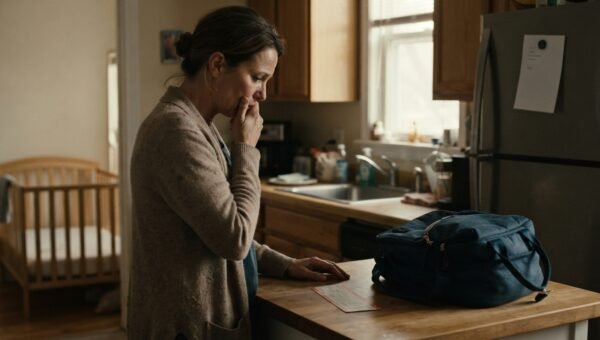
When my daughter Chloe asked if she could take the storage bins of cloth dolls from my basement, I felt a slight ache in my chest, but I agreed without arguing. I made those dolls for her between 1986 and 1994, back when every spare penny went toward groceries and mortgage payments. I worked as an evening shift nurse at county general, and sewing was the only quiet hobby I had left after the house fell silent.
Every stitch had been done by hand using scrap calico, discarded flannel shirts, and whatever polyester fiberfill I bought with coupons from the fabric outlet on Route 9.
Chloe was thirty-six now, married with no children of her own, working in commercial real estate across town. She told me she was cleaning out her old room and wanted to display a few in her spare bedroom, perhaps list the duplicates on an estate auction app to free up closet room. I thought nothing of it until a Sunday morning three weeks later when I looked up her seller profile online out of pure curiosity.
She had listed eight of the dolls. What made my coffee go cold was the pricing. They were not listed for five or ten dollars as worn, thirty-year-old rag toys. Bidding on a simple yellow-gingham girl with brown yarn braids had reached four hundred and twenty dollars.
A boy doll dressed in denim scraps from my late father’s work jeans had closed at six hundred and fifty dollars with seventeen active bidders.
There was no artistic value in those dolls to justify that kind of cash. They were lumpy, washed dozens of times, and faded from years spent sitting on dusty shelves. In the descriptions, Chloe had written only: “Authentic family heirloom, original stuffing intact, strictly unwashed, sold as found.”
The next afternoon, a sedan pulled up into my driveway. A woman around my age, wearing a sensible rain jacket and gold spectacles, stepped out carrying a tissue-wrapped bundle. She introduced herself as Evelyn. She explained that she lived two towns over in Mercer and had won the yellow-gingham doll directly from Chloe’s local pick-up listing.
“I came directly to you because the seller’s account listed this street address on the original invoice slip,” Evelyn said, her voice shaking slightly.
She unrolled the tissue paper on my kitchen island. The doll was sitting there, its belly seam split open along the left hip. “I collect vintage folk craft. When it arrived, the torso felt unusually heavy on one side. I thought perhaps the stuffing had clumped with age. Did you mean to hide this inside?”
She reached into her coat pocket and handed me a small, brittle strip of yellowed paper folded into a tiny accordion square.
I flattened it against the quartz counter. It was covered in neat, cramped blue ballpoint ink. The handwriting belonged unmistakably to my late mother, Helen, who passed away in the spring of 1991. It was not a recipe or a sweet note. It was a column of dates, seven-digit telephone numbers, and three separate bank account routing numbers marked with asterisks. Beside the final number, my mother had written three words: “Keep him away.”
My hands turned clammy. “Where exactly was this?”
“Tucked deep inside the center batting,” Evelyn said, staring at me with genuine concern. “It was wrapped inside two layers of plastic wrap and taped shut. I didn’t want to keep it. It felt wrong, like I bought something stolen from a private family record. I want my money back, but your daughter blocked my account when I messaged her through the app.”
I immediately refunded Evelyn four hundred and twenty dollars out of my personal checking account using an envelope of emergency cash I keep in my bureau drawer. I thanked her, took the doll, and walked down into my basement storage room with a seam ripper in my apron pocket.
Three boxes were still sitting under the staircase. Chloe had not yet taken them all. I pulled out a doll dressed in blue corduroy, one I remembered sewing during the winter my father moved out of the house. I carefully snipped four stitches along the back seam and pushed my fingers past the dry polyester stuffing.
Near the doll’s spine, my fingernails scraped against something stiff.
I pulled out a folded slip of carbon paper. It was an original paper receipt from the Pine Crest Motor Lodge off Interstate 80, dated November 14, 1987. My father’s legal name, Arthur Vance, was typed across the guest line, but someone had violently crossed it out with thick red marker. Beneath his name, written in pencil in my mother’s slanted script, was the name of a woman I had never heard of: Sarah Lindell.
Before I could unfold the receipt completely, heavy footsteps echoed on the basement stairs.
“Mom? What are you doing down here?”
Chloe was standing on the bottom step, her keys clutched tightly in her fist. Her eyes darted from my face straight down to the split seams of the corduroy doll and the yellowed receipt resting in my palm.
When my daughter Chloe asked if she could take the storage bins of cloth dolls from my basement, I felt a slight ache in my chest, but I agreed without arguing. I made those dolls for her between 1986 and 1994, back when every spare penny went toward groceries and mortgage payments. I worked as an evening shift nurse at county general, and sewing was the only quiet hobby I had left after the house fell silent. Every stitch had been done by hand using scrap calico, discarded flannel shirts, and whatever polyester fiberfill I bought with coupons from the fabric outlet on Route 9.
Chloe was thirty-six now, married with no children of her own, working in commercial real estate across town. She told me she was cleaning out her old room and wanted to display a few in her spare bedroom, perhaps list the duplicates on an estate auction app to free up closet room. I thought nothing of it until a Sunday morning three weeks later when I looked up her seller profile online out of pure curiosity.
She had listed eight of the dolls. What made my coffee go cold was the pricing. They were not listed for five or ten dollars as worn, thirty-year-old rag toys. Bidding on a simple yellow-gingham girl with brown yarn braids had reached four hundred and twenty dollars. A boy doll dressed in denim scraps from my late father’s work jeans had closed at six hundred and fifty dollars with seventeen active bidders.
There was no artistic value in those dolls to justify that kind of cash. They were lumpy, washed dozens of times, and faded from years spent sitting on dusty shelves. In the descriptions, Chloe had written only: “Authentic family heirloom, original stuffing intact, strictly unwashed, sold as found.”
The next afternoon, a sedan pulled up into my driveway. A woman around my age, wearing a sensible rain jacket and gold spectacles, stepped out carrying a tissue-wrapped bundle. She introduced herself as Evelyn. She explained that she lived two towns over in Mercer and had won the yellow-gingham doll directly from Chloe’s local pick-up listing.
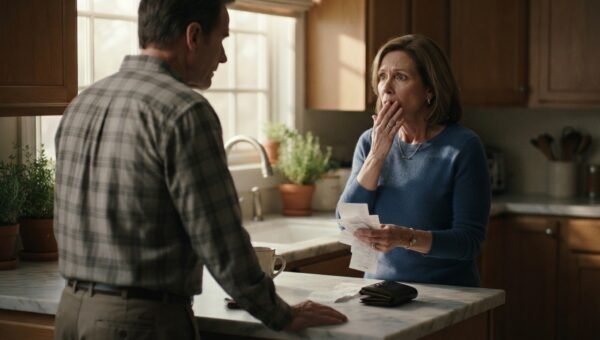
“I came directly to you because the seller’s account listed this street address on the original invoice slip,” Evelyn said, her voice shaking slightly. She unrolled the tissue paper on my kitchen island. The doll was sitting there, its belly seam split open along the left hip. “I collect vintage folk craft. When it arrived, the torso felt unusually heavy on one side. I thought perhaps the stuffing had clumped with age. Did you mean to hide this inside?”
She reached into her coat pocket and handed me a small, brittle strip of yellowed paper folded into a tiny accordion square.
I flattened it against the quartz counter. It was covered in neat, cramped blue ballpoint ink. The handwriting belonged unmistakably to my late mother, Helen, who passed away in the spring of 1991. It was not a recipe or a sweet note. It was a column of dates, seven-digit telephone numbers, and three separate bank account routing numbers marked with asterisks. Beside the final number, my mother had written three words: “Keep him away.”
My hands turned clammy. “Where exactly was this?”
“Tucked deep inside the center batting,” Evelyn said, staring at me with genuine concern. “It was wrapped inside two layers of plastic wrap and taped shut. I didn’t want to keep it. It felt wrong, like I bought something stolen from a private family record. I want my money back, but your daughter blocked my account when I messaged her through the app.”
I immediately refunded Evelyn four hundred and twenty dollars out of my personal checking account using an envelope of emergency cash I keep in my bureau drawer. I thanked her, took the doll, and walked down into my basement storage room with a seam ripper in my apron pocket.
Three boxes were still sitting under the staircase. Chloe had not yet taken them all. I pulled out a doll dressed in blue corduroy, one I remembered sewing during the winter my father moved out of the house. I carefully snipped four stitches along the back seam and pushed my fingers past the dry polyester stuffing.
Near the doll’s spine, my fingernails scraped against something stiff.
I pulled out a folded slip of carbon paper. It was an original paper receipt from the Pine Crest Motor Lodge off Interstate 80, dated November 14, 1987. My father’s legal name, Arthur Vance, was typed across the guest line, but someone had violently crossed it out with thick red marker. Beneath his name, written in pencil in my mother’s slanted script, was the name of a woman I had never heard of: Sarah Lindell.
Before I could unfold the receipt completely, heavy footsteps echoed on the basement stairs.
“Mom? What are you doing down here?”
Chloe was standing on the bottom step, her keys clutched tightly in her fist. Her eyes darted from my face straight down to the split seams of the corduroy doll and the yellowed receipt resting in my palm.