Why did I thank the cashier after my card beeped red three times? I still ask myself that, years later. The coffee was $2.99, and I’d already put the cup on the counter. The cashier gave me that little polite look people use when they know you’re embarrassed, so I said, “No problem, I’ll try another card.” I didn’t have another card. I went outside and checked my bank app.
The account was locked. A notice said an administrator had changed the access settings. Brian’s name was on the screen. I stood by the front window with the coffee smell coming through the open door, reading the same notice twice. I’m a structural engineer. I spent my working life checking what carried weight and what only looked solid. But it took a $2.99 cup of coffee to show me a crack in my own family.
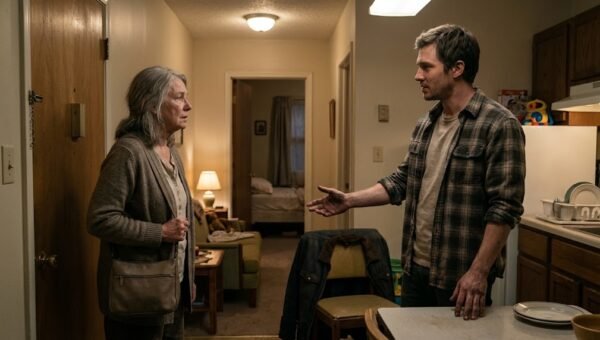
I called Brian from my truck. He answered on the fourth ring, and I could hear Melissa talking somewhere behind him. I asked why he’d locked the account. He sighed, the way he used to when I asked him to check his homework. He told me I was getting older and didn’t need to worry about bills anymore. Melissa laughed and said if I needed money, I could ask them. That was the line that stayed with me.
I’d paid for their wedding and helped with the down payment on their first house. Now I was supposed to ask permission for coffee.
I didn’t yell. I wish I could say that was wisdom, but part of it was that I didn’t know what else to do. Brian said he was trying to help, and I let him finish. Melissa mentioned I’d retired and said it was only sensible to “get things organized.” They talked like I’d misplaced my glasses, not like they’d changed my access to an account without telling me. I said I understood. I didn’t.
At home, I went straight to the small office where I kept old project plans and tax folders. I didn’t even take off my jacket. The room still had a faint pencil smell from the cedar drawer where I kept my drafting tools. I logged into the secondary banking dashboard, the one Brian had helped me set up after I retired.
The account wasn’t empty. But Brian’s credentials had been made administrator, and mine had been reduced to limited access.
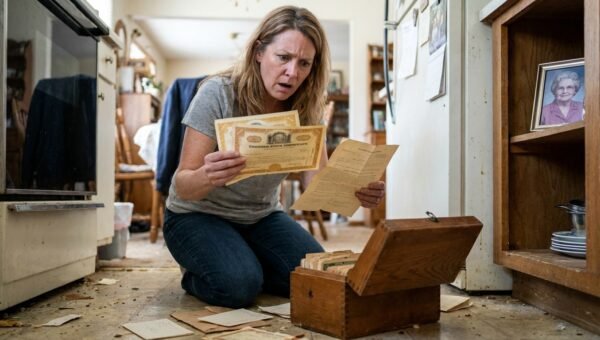
That dashboard was where I kept a monthly amount for small expenses. It wasn’t my whole life’s savings, but it was mine to manage. I looked through the security log and found several credential requests over the last month. Some had been approved. Others had been blocked. I printed the pages and wrote down the dates. The first request was on a Tuesday, the day Brian had called to ask if I still had the folder with my pension details. At the time, I thought he was helping with taxes.
The more I checked, the less I liked it. The main pension account was separate, in my name only. My private savings were separate too. So were the deed to my house and the account where my engineering firm’s retirement payments went.
None of those had been touched. They’d gotten control of the little account and the shared financial portal, and they seemed to think that meant they had a path to the rest.
I called each bank myself. I changed passwords, removed linked devices, and asked the fraud department to put a note on every account. I made them read the note back to me. It felt fussy, maybe even a little much, but I’ve seen small things become expensive when nobody checks them. I also looked at the paperwork Brian had once helped me fill out. He had limited permission to help with routine account tasks. He did not have the right to make himself administrator or lock me out. That distinction mattered.
I called the lawyer who had handled my will, a woman named Ruth with a voice like she was always halfway through a cup of tea. She told me not to sign anything and not to try to sort this out by phone while I was mad. I told her I wasn’t mad. She said, “You sound mad.” I didn’t answer. The next morning I brought her the logs, the old permission forms, and the notices from the banks.
Ruth explained that the authorization could be revoked, and that I could update my estate documents and beneficiary choices. She also told me plainly that gifts I’d already given Brian were his. I knew that, but hearing it said out loud helped me stop thinking in terms of taking things back. I could not undo the house money or the wedding bill. I could stop giving more. I could also make sure he had no legal access to what remained.
By then Brian had already sent me a message asking if I’d be free to talk about my future. He suggested dinner with him and Melissa at a restaurant near the marina. I said yes. I didn’t tell him I’d spent the morning with Ruth, or that my accounts were already being secured. I wanted to hear how far they thought they could go. Maybe that was petty. I was tired of them explaining my own life to me.
That evening I called Brian and let my voice shake a little. Not much. Just enough to sound worn out. I told him the bank had confused me and asked if he could help me understand what I was supposed to sign. He softened right away. He said they’d take care of it at dinner and not to worry. Melissa came on the line and told me the paperwork would make things easier for everybody. I said I was grateful. The words tasted bad, but I said them.
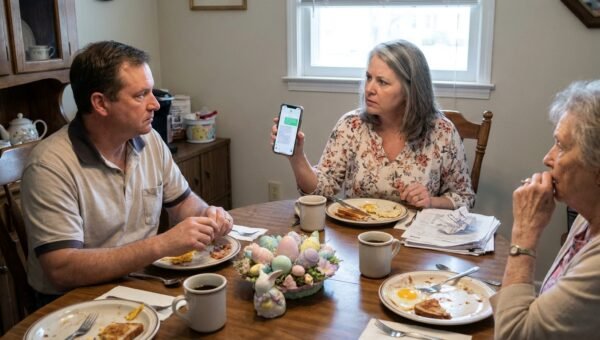
At dinner, Brian and Melissa sat across from me in a booth. Brian had a folder beside him. Melissa asked if I’d brought my account passwords. I told her I hadn’t. She glanced at Brian, and he gave her a little nod, like they’d talked about this ahead of time. Then she slid a prepared guardianship and power-of-attorney agreement across the table. She said it was a simple way to keep me safe and take the pressure off.
I didn’t touch it. The restaurant had a fish special on the board, and I remember the sweet smell of fried onions from the next table. I focused on that for a second while Brian explained the form. He said I wouldn’t have to manage my money or make hard decisions anymore. I asked what would happen if I didn’t sign. He said they could keep an eye on things without making a big deal of it.
Then he said the part he hadn’t meant to say. The account money would help them secure a commercial property they’d been looking at. They needed liquid funds to move fast, and he said it was “better to get it lined up now” than wait until the property was gone. Melissa told him he didn’t need to explain all of that. But he kept going. He said my retirement money was sitting idle and that this would eventually benefit the family anyway.
There it was. Not concern about me. Not bills. Not even some mix-up they could apologize for. They wanted to control my liquid money so they could put it toward a commercial real estate deal without asking me. They figured I’d be too embarrassed by the coffee shop card or too confused by the bank screens to look closely. That was their bet.
I opened my folder. I put the audit log on top, then the bank notices, then Ruth’s revocation papers. Brian looked at the dates. Melissa looked at the signature lines. I told them the banks had been notified about unauthorized changes, and that every shared access and digital link had been removed. I told them the house, pension, and private savings were still mine, and now they were locked down properly.
Brian said he hadn’t stolen anything. I told him he didn’t have to take money for this to be wrong. Melissa said they had only been trying to plan ahead. I said, “You planned with my money and without me.” My voice didn’t shake that time. I told them I’d removed them from any future inheritance and changed my estate papers. That wasn’t a punishment for the past. It was my decision about what came next.
Brian pushed the papers away. He said I was choosing a bank over my own son. I said I was choosing not to sign a document that would hand him control of my life. He looked down at the audit printout again. Melissa asked if I was really cutting them off over a small account. I told her it wasn’t a small account anymore. It was proof I couldn’t trust them with access.
I left the restaurant with the folder under my arm. The next week, Ruth filed the updated notices, and the banks confirmed all administrator access was removed. I closed the shared portal and opened a new account for household spending. I didn’t call Brian. He didn’t call me. A few months later, I heard through a cousin that the commercial property deal had fallen through. I didn’t ask what they’d lost or how much.
The hardest part wasn’t the money. It was knowing my son had looked at my retirement and seen a chance to get ahead. I still miss the easy calls, the ones about a leaky gutter or what to grill on Sunday. I’m not pretending I never gave him reasons to think I’d always bail him out. I did that for years. That doesn’t mean I had to keep doing it.
I’m back at my drafting table most mornings. I keep a brass scale ruler there, the same one I used when I was still working. Sometimes I spread a clean blueprint across the table and run the ruler along the lines, checking that each part can hold what I’ve asked it to hold. At sunset, the light reaches the corner of the page. The foundation is mine. I built it myself.