PART 1
I was kneeling on the bathroom floor, the humidity thick with the scent of strawberry bubblegum shampoo, as my six-year-old daughter, Maya, laughed through the suds. The water was warm against my forearms, and for a few minutes, the quiet routine of the evening felt like a shield against everything else.
Then my phone buzzed on the tile counter. It was my sister, Elena.
I picked it up, expecting her to ask about borrowing my pressure cooker again or to complain about her neighbors.
Instead, her voice was trembling, brittle, and pitched high in a way that made my stomach drop instantly.
“I’m sorry,” she said, and the line hissed with static or maybe just her ragged breathing. “I had to do what’s best for the kids. CPS will be there in the morning.”
Before I could ask what she meant, before I could even say her name, the line went dead. The dial tone hummed in my ear, sharp and mechanical.
I stayed on my knees for a second, the plastic duck floating near Maya’s knee. My brain refused to assemble the words into anything that made sense. CPS? Child Protective Services? Elena knew how hard I fought to keep my life stable after my divorce, how every single paycheck went toward rent and groceries and Maya’s asthma inhalers. Why would Elena call social services?
“Mommy, look, bubbles on my nose,” Maya giggled, blowing a puff of air upward.
“Hold on, sweetie,” I managed to say, my voice sounding hollow even to me.
I pulled her out of the tub too fast, wrapped her in the fluffy pink towel with the rabbit ears, and carried her straight to her bedroom.
I didn’t turn on the television. I sat on the edge of her mattress, rubbing her back until she fell asleep to the hum of her nightlight projector.
My mind raced through every possible reason. Had someone reported the messy living room from when I was working late last week? Had my ex-husband, Greg, put someone up to this to mess with my custody arrangement? But Greg lived three states away and barely remembered Maya’s birthday, let alone cared enough to orchestrate a state agency visit.
Then I thought about Elena. Just two weeks ago, we had a bitter argument in my kitchen over our mother’s old porcelain set and a $4,500 loan she had begged me for and never repaid. She had looked at me with a coldness I had never seen in my own flesh and blood. She said I thought I was better than everyone else just because I kept my bills paid on time.
At 7:00 A.M. sharp, the authoritative pounding came at my front door.
My reality fractured as two CPS investigators and a uniformed police officer swarmed my home with a court order, their clipboards ready and their eyes scanning every corner of my living room like they were inspecting a crime scene.
PART 2
The lead investigator, a woman named Ms. Vance with sharp silver-rimmed glasses and a clipboard held like a shield, didn’t even introduce herself properly before stepping past me into the hallway. The police officer stood near the entryway, his hand resting casually near his belt, making the small apartment feel suffocatingly crowded.
“Mrs. Miller?” Ms. Vance asked, her tone flat and rehearsed. “We received an anonymous report late last night concerning the immediate safety, hygiene, and supervision of a minor child at this residence.”
Maya was still in her pajamas, clutching her stuffed rabbit, standing behind my leg with wide, terrified eyes.
I felt a hot surge of panic prickle behind my eyes, but I forced myself to stand straight.
“That’s impossible,” I said, my voice shaking despite my best efforts. “My home is clean, my daughter is cared for, and she has everything she needs. Who made this report?”
“By law, we cannot disclose the source of the report,” Ms. Vance replied, already walking toward the kitchen without waiting for an invitation. “We need to inspect the refrigerator, the pantry, and the child’s bedroom. We also need to conduct a private interview with Maya.”
For the next two hours, my life was pulled apart and examined under fluorescent light. They opened every cabinet, checked the expiration dates on the canned soup, peered into the laundry hamper, and took notes on the half-folded clothes sitting on the sofa. Maya was taken to the kitchen table by the second investigator, a younger man with a gentle voice, to answer questions about whether she ate vegetables and if she felt safe.
Every minute stretched like a rubber band pulled to its absolute limit. When they finally left around nine o’clock, telling me that a formal case file had been opened and that a follow-up home visit would occur the following week, the silence in the apartment felt heavy and toxic.
I sat at the kitchen table, looking at the open notebook Ms. Vance had accidentally left on the counter before rushing out to grab a missing form from her car.
I shouldn’t have looked. I knew I shouldn’t have looked. But my hand reached out anyway.
Right there on the top line, written in neat cursive, was the intake source annotation: *Referred by maternal aunt, Elena Vance-Gomez, citing chronic neglect, substance abuse, and unfit living conditions.*
It wasn’t Greg. It wasn’t an anonymous neighbor. It was my own sister.
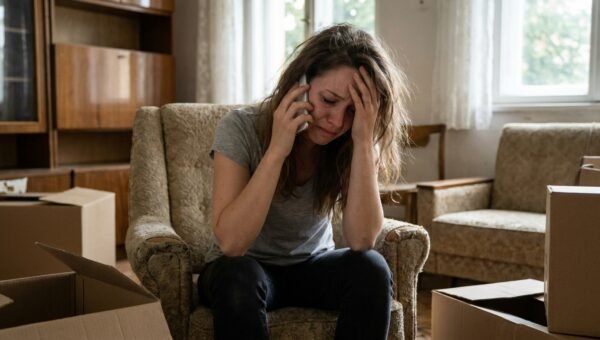
The betrayal hit me not with a bang, but with a cold, hollow sink in my chest. Substance abuse? I hadn’t had a glass of wine in two years because of my blood pressure medication. Elena knew that. She knew every single detail of my life, which meant she had intentionally fabricated every single lie to the state agency just to inflict maximum damage.
By ten o’clock, I had Maya dropped off safely at her daycare with a shaky hug and a forced smile. Then I drove straight to Elena’s house.
PART 3
I didn’t knock. I pushed the front door open because Elena had never learned to lock it during the day, and I marched straight into her living room where she was sitting at the dining table sorting through coupons.
When she looked up and saw me, the color drained from her face, but she didn’t look remorseful. She looked defensive, straightening her shoulders and narrowing her eyes.
“How dare you,” I said, my voice barely above a whisper, but vibrating with a fury I had never felt before. “How could you call CPS on my daughter?”
Elena stood up, smoothing down her blouse. “I did what I had to do, Sarah. You think you’re so high and mighty with your little apartment and your stable job, but you’re drowning. You just won’t admit it.”
“Drowning?” I stepped closer to her, the memory of those strangers rifling through Maya’s underwear drawer flashing in my mind. “They came into my home with a cop, Elena. They interrogated my six-year-old child because you called them and lied through your teeth about substance abuse!”
“I didn’t lie,” Elena snapped, crossing her arms defensively. “I expressed concern. You’ve been stressed out, and you owe me money anyway. If you can’t even manage your own family obligations, maybe Maya is better off with someone who can provide stability.”
That was when the real truth slipped out, naked and ugly. It wasn’t about safety. It wasn’t about Maya’s welfare. It was about the $4,500 she had stolen from our mother’s estate fund last year—money that I had covered out of my own savings so the rest of the family wouldn’t find out, and money she knew I was legally threatening to report if she didn’t start paying back.
“This is about the money,” I said, staring at her with total clarity. “You knew I was talking to the executor about the estate audit. You tried to burn my life down so I’d be too busy fighting CPS to look at the bank records.”
Elena’s jaw tightened, and she looked away, which was all the confirmation I needed.
I didn’t scream. I didn’t throw her porcelain figurines or hit her. I just pulled out my phone right there in front of her, opened my email, and forwarded the official estate audit request directly to our uncle, who was the primary trustee, copying the family lawyer.
“The social worker is coming back next Tuesday,” I said quietly, turning toward the front door. “She’s going to see a clean house, a happy child, and a closed case. But when she leaves, I’m handing her the transcript of this conversation and the police report for filing a false state report. And Uncle Robert is going to see every single forged withdrawal slip you made from Mother’s account.”
Elena took a sharp step forward, her face turning pale. “Sarah, wait. We can talk about this. We’re sisters—”
“No,” I said, stopping at the threshold without looking back. “We were sisters yesterday.”
ENDING
The investigation was officially closed four days later after Ms. Vance reviewed the daycare logs, pediatrician records, and clear drug screening results I had volunteered to take just to shut the door on the nightmare permanently.
Uncle Robert called me on Sunday evening, his voice heavy with disappointment as he confirmed that Elena’s access to the family estate accounts had been permanently frozen pending formal legal review.
I haven’t spoken to Elena since that morning in her living room, and I don’t intend to.
Tonight, the bathroom is quiet again. The water in the tub is warm, and Maya is splashing her plastic duck against the side of the porcelain, laughing as the bubbles float up toward the ceiling. I sit on the same tile floor, holding her fresh pajamas against my knee, watching the steam rise in the soft light.
When she climbs out, I wrap her in the pink rabbit towel and carry her down the hall, tucking her in beneath her favorite star quilt.
I turn off the overhead light, leaving only the gentle glow of the projector spinning slow blue galaxies across her ceiling, and close her bedroom door halfway.