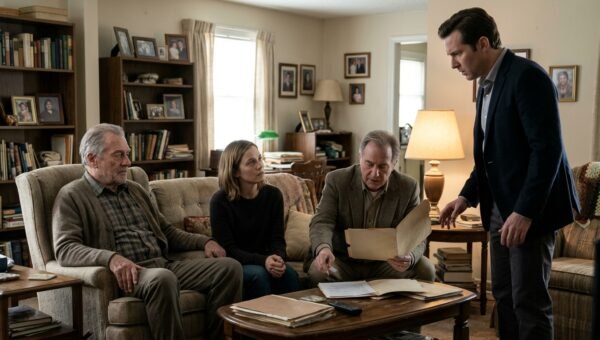
“Mary Miller, darling. Come home for Thanksgiving. Your father wants to discuss business investments.”
My mother said it through the charity office line because my number had been blocked for two years. She still had that sweet voice she used when people were listening.
I was at my desk, holding a mug with a chipped handle. I remember that because my thumb caught on the rough edge while she talked.
I almost laughed. Not because anything was funny. Because I knew what had changed.
My mother and father had seen the Big Sur photos. They’d also heard I’d received $16 million when my company was bought. For two years, I’d been the unstable daughter who quit the family and left them to manage things alone. Then, suddenly, I was someone worth inviting to Thanksgiving.
I said, “I won’t be coming.”
Her voice dropped the sweetness. “Family is family. People are asking why you abandoned us.”
I didn’t argue. I’d learned that arguing with my mother only gave her a new version of the story to tell. I also knew the records she didn’t think I still had. I’m getting ahead of myself, but the ending was already sitting in a folder on my computer.
I hung up and didn’t call back.
For a while, I just sat there with my hand around that chipped mug.
My office was quiet. No one was waiting for me to explain myself or tell me how much I owed the family. That should’ve felt like peace. It did, mostly. But my mother’s line about people asking why I abandoned them stayed in my head, because I knew exactly which people she meant.
Two years earlier, I’d left after finding out money was missing from my late grandfather’s trust. My parents handled the books and the accounts. My father, Daniel, had made transfers he couldn’t explain, then told me I’d misunderstood the statements. My mother, Elaine, said I was tired and acting erratically. They weren’t screaming at me. That was part of what made it hard to describe. They spoke as if the problem was my memory.
I kept asking for the same thing: the transfer records.
My father would rub his forehead and say, “We’ll sort it out.”
My mother would say, “Don’t turn this into a family fight.”
I was 34. I’d grown up thinking that being a good daughter meant keeping the temperature down. So I apologized for asking too often. I kept asking anyway.
The first time I saw a signed transfer slip, I knew my father’s name before I read it. His handwriting leaned forward, like he was always in a hurry. The money had gone from the trust into accounts tied to my parents’ expenses and my mother’s charity. There were other transfers. There were explanations that didn’t match the dates. I had a certified audit done because I didn’t trust my own read of it anymore.
My father said he’d made mistakes with the accounts. He signed statements about the transfers and the way he’d recorded them. My parents had their reasons, or reasons they gave me. Expenses had piled up. My mother wanted the charity to keep running. My father thought he could cover what he borrowed later. None of that made it okay.
I took the papers and left. I didn’t make a big speech.
I got my own place, changed my number, and kept a copy of everything in a folder on a drive I barely touched. I was angry, but I was also embarrassed. I’d helped them keep the books. I’d signed off on things because I trusted my father and didn’t want my mother to make another family meeting feel like my fault.
The first year away was not some clean fresh start. I checked my phone too often, even though I’d blocked them. I expected a real apology. I also expected a call saying they needed help. I didn’t want either one, which is an exhausting way to live.
Then I built my company. I’d been working on a small software business before I left, mostly fixing problems people said were too dull to be worth fixing. I found customers. I hired a few people. We made a product that did well enough that another company eventually bought it. I didn’t tell my parents. I barely told anyone outside the people involved in the sale.
The payout came through. Sixteen million dollars, before taxes and fees and all the other things that make a big number smaller. I rented a place in Big Sur for a few days and went with a friend. There were photos online afterward. A friend posted one without thinking much about it. The coast was in the background. I was smiling in a way I hadn’t seen in a while.
That was how my parents found out.
My mother called from the charity office line a few days later. She knew the money. She knew about the photos. But she didn’t mention either thing at first. She said my father wanted to talk about investments, and I could come home for Thanksgiving so we could sit down together.
I said no, and she went straight to the story she wanted people to hear: I’d abandoned my parents, and now I was too proud to come home.
The next morning, there was a text from her. It came from a number I didn’t recognize.
“People are worried about you.”
Then another one.
“You don’t have to punish your father.”
Then one more, about Thanksgiving and how I shouldn’t let money change who I was. I read them once, then put the phone face down. I almost typed back. I had a whole list in my head. I could’ve reminded her that she hadn’t called in two years. I could’ve told her my father had signed the statements. I could’ve said that if she was worried about me, she could have tried saying that before I had money.
Instead, I left the messages unanswered. That was the part I was proud of, and I hate admitting it. Some piece of me still wanted to make her feel bad. I wanted her to know I could see exactly what she was doing. I wanted to win the conversation.
A woman from my mother’s charity called that afternoon. She didn’t ask about the company or Big Sur. She said Elaine had told a few people I was struggling and that my parents were worried because I’d cut them off. The woman sounded uncomfortable. She wasn’t mean to me. She was trying to check what was true.
“I didn’t know what to say,” she told me.
I said, “You don’t have to say anything.”
It should’ve ended there. But it didn’t. Over the next few days, I heard the same story from two more people. My mother was heartbroken. She didn’t know why I’d walked away. My parents had always tried to support me. People were worried I was making choices I’d regret.
Every version made me sound a little less steady. None of them mentioned the trust. None mentioned the audits or the money that went missing. My mother knew the charity’s board members and had spent years building friendships through that work. She knew how quickly a sad story could get around without anyone feeling like they were gossiping.
I tried to let it go. I told myself that if I didn’t answer, there’d be nothing for her to work with. But people were hearing one side from the people who had been taking money from the trust. I couldn’t keep treating silence like it was automatically the kinder choice.
So I opened the old folder.
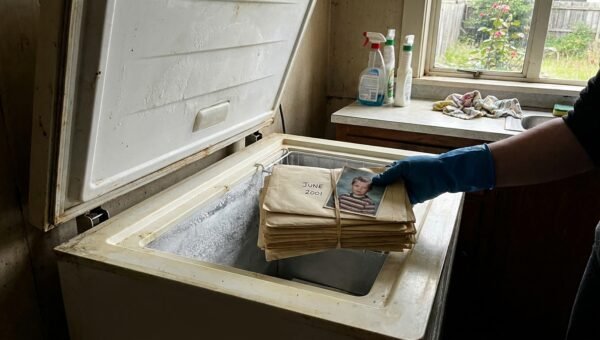
I’m not very good at remembering what I ate last Tuesday, but I remember the file names. The certified bank audit was saved as “Final Trust Review.” The transfer slips were in another folder, scanned by date. I checked them against the paper copies I’d kept in a box. The signatures were there. The account numbers lined up. My father’s signed statements were there too, in which he described the transfers and how he’d recorded them.
I didn’t have to guess. I didn’t have to rely on what I remembered from those meetings. The paper said what had happened.
I read through it once. Then again. I was looking for something I’d missed, some harmless explanation that would let me stay out of it. I knew the facts already. I was hoping for a reason not to use them.
That was the thing about evidence. I’d kept it to protect myself in case my parents ever decided to call me a liar. I hadn’t planned to send it to anyone. I thought if I put it away, I could have a life that didn’t keep circling back to them.
But my mother was using the charity and the people around it to make me look unstable. And I had a record that showed why the trust accounts didn’t add up. If I let her keep telling her version, I was helping her.
My father sent a text after that. Just one.
“We should talk before you make this worse.”
I stared at it for a while. I knew what he meant. He wanted me to keep quiet. Maybe he thought he was protecting my mother. Maybe he was protecting himself. I can’t say there was no love in him. There was. There was also a long habit of asking me to absorb the cost of his choices so the family could look fine from the outside.
I decided to send the documents to the charity board members and to the people who’d contacted me about the rumors. I didn’t send a speech. I didn’t call anyone names. I wrote that I’d left because of financial conduct involving my grandfather’s trust, and that I was attaching the certified audits, signed transfer slips, and my father’s statements so people could see the records for themselves.
My hand shook enough that I had to set the laptop down and start again. The first email was easy. The next one wasn’t. I knew some people would think I was trying to embarrass my parents. I knew my mother could say I’d done it out of spite. And, if I’m honest, spite was in there. It wasn’t the only reason, but I wasn’t going to pretend it was missing.
I checked each attachment. I checked the names. I checked the addresses. Then I pressed send.
My mother called the next day. I let it go to voicemail. She called again. Then my father did. I didn’t answer either one.
The board members began asking questions about the charity’s finances. My mother stepped down from her board position while those questions were being looked into. I heard that from one of the same people who’d first called to say she was heartbroken.
My parents’ finances were already in bad shape. The trust money had helped cover their lifestyle and the costs tied to the charity, but it hadn’t fixed what they owed. The invitation to Thanksgiving wasn’t about my father wanting to talk business. They were hoping I’d use some of the payout to help cover their debts. My mother’s texts made that plain enough. They needed money, and they’d decided my money was theirs to ask for.
I didn’t send them any.
For a few weeks, I kept expecting another call from a new number. There weren’t any. Their messages stopped. The people who had been asking if I was okay stopped asking, too. That could mean they understood. It could mean they’d moved on to something else. I didn’t need to know.
I sent one final note to my parents. It said I wouldn’t have any further contact with them. I told them not to call me through the charity, through friends, or through any other number. I didn’t explain the decision. They already knew why I’d made it.
I didn’t feel like a hero when I sent it. I felt tired. I also felt relieved, which didn’t cancel out the other feeling. I’d spent a long time thinking that being their daughter meant I had to keep the family story intact, even when it wasn’t true.
My laptop was still open on the desk. The last file was the same audit report I’d kept all these years. I closed it, then shut the laptop.
Rain started against the office window. I watched it run down the glass, one thin line joining another.
I was alone in the room. This time, I didn’t owe anyone an explanation for that.